Cup Halloween Wrap 24oz SVG: A Designer’s Embroidery Review
First Impressions: Cute Ghosts, Real Handmade Potential
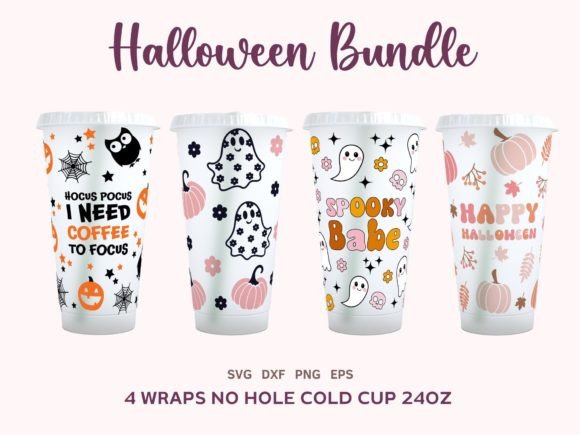
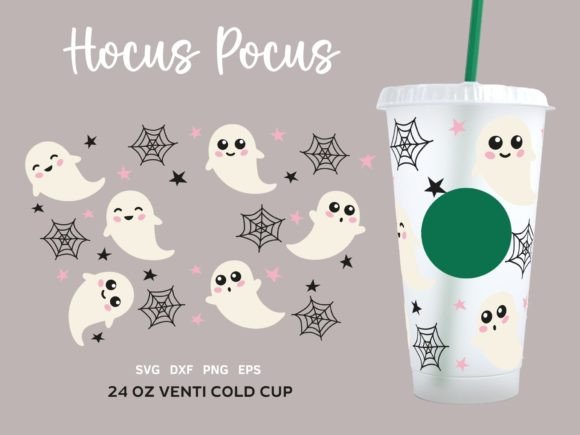
When I opened the Cup Halloween Wrap 24oz SVG, I wasn’t just looking at a cup wrap. I immediately saw a design that could breathe life into a dozen embroidery projects. The cheerful little ghosts, the balanced composition, and the playful Halloween vibe make it more than a single-use graphic. As an embroidery designer who shifts between custom apparel, seasonal gifts, and boutique product lines, I evaluate every digital file through a practical lens. This one has a soft, approachable mood that works for both children’s items and adult accessories. The layout is horizontal and pre-sized for a 24oz Venti cold cup, but the real question is how it behaves when you pull it into embroidery software and imagine it stitched onto fabric.
The ghost characters are simple, with rounded shapes and minimal internal detail. That’s a huge plus for machine embroidery. Satin stitch borders, light fill areas, and a clever use of negative space can make the design pop without becoming a dense, stiff patch. The available file formats — SVG, PNG, EPS, and DXF — give you a head start. The SVG is the real workhorse for digitizing. I always import it into my embroidery software, check for closed paths, and scale it to fit my hoop. The PNG is ideal for quick mockups when I want to show a client how the finished tote bag or sweatshirt will look. Having both vector and raster options means I can prep a listing preview for an Etsy shop in minutes.
How the Design Speaks to Halloween Shoppers
Halloween crafting is competitive, but buyers crave designs that feel handmade, not mass-produced. The Cup Halloween Wrap 24oz SVG hits that sweet spot. The ghosts are friendly, not spooky, which widens the audience to toddlers, pet lovers, and anyone who prefers a cozy October aesthetic over horror. When I imagine this stitched on a cream-colored canvas tote, with a soft terry cloth texture, I can already picture the smile it would bring at a craft fair. The design has a clean, recognizable silhouette that reads well from a distance — a must for embroidery on aprons, pillow covers, or even the back of a denim jacket.
Real-Life Embroidery Scenario: A Halloween Tote That Sells
Let me walk you through a real project. Last week I was preparing a batch of personalized tote bags for a local boutique’s Halloween pop-up. I needed a design that was quick to stitch, visually charming, and repeatable across different bag colors. I pulled the Cup Halloween Wrap 24oz SVG into my digitizing software. I isolated the central ghost cluster, simplified the layout slightly to fit a 5x7 hoop, and created an applique version. I used a running stitch for the placement line, a medium satin stitch for the ghost outlines, and a light fill for the eyes and mouths. I chose a soft white cotton fabric for the ghost bodies and a tiny orange polka dot for the bow tie accent. The result was a crisp, dimensional patch that looked like a high-end boutique item.
When I stitched the design onto a natural canvas tote, the feedback was immediate. Friends asked if I would make matching tea towels. A local shop owner ordered a dozen for her Halloween window display. That’s the power of a versatile graphic. The Cup Halloween Wrap 24oz SVG wasn’t just a sublimation file — it became a reliable embroidery asset that I could adapt to sweatshirts, baby onesies, and even simple kitchen towels. The key is knowing how to translate a flat design into a stitched one without losing the charm.
Choosing the Right Fabric and Stabilizer
Not every fabric will do this design justice. I recommend testing the Cup Halloween Wrap 24oz SVG on a medium-weight woven fabric first. A sturdy cotton, linen blend, or canvas gives you a stable surface for the satin stitches. For stretchy garments like a sweatshirt, use a cut-away stabilizer and a light water-soluble topper so the ghost details don’t sink into the nap. I avoid thin, flimsy fabrics because the stitch density can cause puckering, especially around the tiny ghost eyes. If you want to embroider on a cap, I’d suggest simplifying the design further — maybe just one ghost and the “boo” text — and using a heavy tear-away stabilizer. The curved surface of a cap demands a smaller, centered motif, so the full wrap layout doesn’t transfer directly. However, you can extract elements from the SVG and build a mini patch that still feels connected to the original design.
Stitching Details: What Works and What Needs a Closer Look
The Cup Halloween Wrap 24oz SVG includes several small details — the ghost cheeks, the tiny bow tie, and the “boo” lettering. These are adorable in print, but in embroidery, tiny elements can become a problem. I always check the stitch simulation in my software. If the lettering is under 5mm tall, I increase the size or switch to a simpler font style. The ghost eyes, if digitized as satin columns, need a minimum width to avoid thread breaks. I often convert them to a single running stitch with a slightly thicker thread, which maintains the expression without adding bulk. The design’s overall stitch density is something you control. Since the original file is a vector graphic for sublimation, you’ll be the one translating it into stitches. That means you can adjust the fill type, underlay, and pull compensation to match your machine and fabric.
One of my favorite tricks is to test the design in black and white. I convert the PNG to grayscale and look at the contrast. The Cup Halloween Wrap 24oz SVG has a lovely balance of light and dark areas, which tells me it will stitch out clearly on both light and dark backgrounds. Against a navy sweatshirt, the white ghost bodies will pop with just a single layer of fill. Against a pastel pink tote, I might add a subtle gray outline to keep the shapes from floating. Always run a test sew-out on a scrap of the same fabric you’ll use for the final product. That’s not optional — it’s how you catch tension issues, bobbin thread showing, or misaligned details before you ruin a customer’s order.
Thread Colors and Visual Appeal
I love how the original design’s color palette is flexible. The ghosts can be stitched in classic white, but I’ve also experimented with glow-in-the-dark thread for a fun trick-or-treat tote. The orange accents, whether you use a vibrant tangerine or a muted pumpkin, give the embroidery a finished, professional look. I recommend keeping the thread palette to three or four colors maximum. Too many color changes slow down production and can look messy on a small item. The Cup Halloween Wrap 24oz SVG naturally lends itself to a clean, cohesive palette — exactly what you need for a product that has to be both cute and commercially viable.
Where This Design Shines in a Craft Business
If you sell handmade products on Etsy, at craft fairs, or through your own shop, this design can fill a specific seasonal niche. I’ve used it on:
- Personalized tote bags — add a name under the ghosts for a custom gift.
- Cozy sweatshirts — a single large ghost on the front pocket or a cluster on the back.
- Kitchen towels — perfect for a hostess gift, especially with a matching apron.
- Baby onesies — the soft, not-scary mood is ideal for a first Halloween outfit.
- Pillow covers — a quick decor refresh for a Halloween mantel.
- Embroidered patches — stitch on felt, add an iron-on backing, and sell as a standalone accessory.
The Cup Halloween Wrap 24oz SVG is a Graphics product within the Crafts category, and that makes sense. It’s a digital asset created for makers. But its real value for an embroidery designer is how it translates into stitched products that customers want to buy and gift. The design adds immediate charm and a sense of occasion. When a buyer picks up a tea towel with those little ghosts, they’re not just buying a piece of fabric — they’re buying a feeling of autumn, of coziness, of a holiday that doesn’t have to be scary to be special.
Commercial Use and Licensing — A Quick Note
Before you stitch this design onto products you plan to sell, double-check the licensing terms. The listing says it’s a digital file, but it doesn’t spell out whether you can use the finished embroidery for commercial purposes. Many SVG sellers allow limited commercial use for physical products, but you need to be certain. I always keep a folder with the license info for every design I use in my shop. If the terms aren’t clear, reach out to the seller. It’s a small step that protects your business and keeps everything above board. The file formats included — SVG, PNG, EPS, DXF — are all standard for design assets, but the embroidery output is your own creative work. Just make sure the original creator’s rights are respected.
Practical Designer Notes to Keep in Your Toolkit
I’ve been using digital design files for embroidery long enough to develop a mental checklist. Here’s what I run through every time I work with a file like the Cup Halloween Wrap 24oz SVG:
- Test on scrap fabric first. Never skip this. It reveals how the stitches interact with the fabric texture and stabilizer.
- Check thread color contrast. View the design in grayscale to see if any areas blend together.
- Review stitch density. Too dense = stiff, uncomfortable embroidery. Too light = gaps and poor coverage.
- Confirm hoop size. The original wrap layout is long, so you’ll likely need to resize or rearrange elements. Make sure your chosen portion fits your hoop with enough clearance for the needle.
- Inspect small details. The ghost mouths, eyes, and any tiny decorative lines need to be wide enough for a satin stitch or converted to a running stitch.
- Test on light and dark backgrounds. The same design can look completely different. Adjust your underlay and thread colors accordingly.
- Use proper stabilizer. Match it to the fabric type. For stretchy knits, cut-away is your friend. For stable wovens, tear-away works.
- Create a mockup. Use the PNG to show clients a digital preview. It builds trust and reduces returns.
These steps aren’t fancy, but they separate a professional handmade product from a hobbyist’s experiment. The Cup Halloween Wrap 24oz SVG is forgiving enough that even if you’re new to digitizing, you can produce a clean result. The ghosts’ simple shapes mean less time correcting paths and more time focusing on the fun part: choosing the perfect thread and watching the design come to life under the needle.
Final Thoughts on a Tiny Design With Big Personality
I’ve reviewed plenty of seasonal graphics, and many of them fall apart when you take them out of the 2D world. The Cup Halloween Wrap 24oz SVG holds up because it’s fundamentally well-structured. The ghosts are distinct, the layout is adaptable, and the overall mood is exactly what shoppers want in the weeks leading up to October. It’s not going to become a dense, overly complicated mess when you digitize it. Instead, it gives you room to play — to add your own text, to combine it with other motifs, or to keep it minimal and let the stitching speak for itself.
For an embroidery business, this design can quietly become a seasonal staple. It works on everything from a quick last-minute gift to a planned product collection. It’s not flashy, but it’s memorable. And in a market full of overly detailed Halloween designs, that restraint is a strength. If you’re looking for a cute, reliable, and sales-friendly Halloween graphic that you can actually use in your embroidery projects, the Cup Halloween Wrap 24oz SVG is well worth a test run. Just be sure to respect the license, run your sew-out, and let those little ghosts charm your customers.