Halloween SVG Strata Skinny Tumbler 16oz: A Designer’s Stitching Review
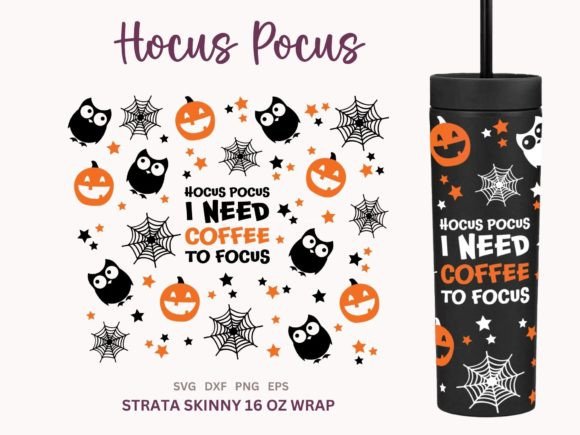
When you download a design file labeled Halloween SVG Strata Skinny Tumbler 16oz, you’re not just getting a digital image. You’re holding a seasonal asset that could become a stitched tote bag, a boutique sweatshirt, or a personalized patch. I’ve worked with enough machine embroidery designs to know that the first glance at an SVG file tells you a lot about how it’s going to behave under the needle. This particular Hocus Pocus wrap from Lemon Chili, provided as SVG, PNG, EPS, and DXF files, is pre-sized for a 16 oz Strata Skinny tumbler. But as a craft professional, I’m always asking: does it translate beyond its original canvas? Let me walk you through a real project test and the honest observations that followed.
First Impressions: A Design That Feels Both Playful and Polished
Opening the file, I immediately noticed the vertical composition. The tall, slender layout is a natural fit for a slim tumbler, but it also reads beautifully on a narrow panel—think the side of a canvas tote, the front of a zip pouch, or the sleeve of a raglan sweatshirt. The illustrative style blends classic Halloween elements with a hint of nostalgia. Broomsticks, stars, potion bottles, and the unmistakable “Hocus Pocus” lettering create a mood that’s spooky but not scary, making it safe for family-friendly products and gift items. The linework is crisp, and the negative space is well-balanced, which is essential when you’re about to convert digital art into embroidery stitches.
Real Project Test: Stitching the Hocus Pocus Wrap on a Tote Bag
Last week, I was prepping a small batch of Halloween-themed tote bags for a local craft fair. I needed a design that could stand out on natural cotton canvas, work within a 5x7 hoop, and retain its charm after washing. I chose this Halloween SVG Strata Skinny Tumbler 16oz design because the vertical orientation matched the bag’s side panel perfectly. After importing the SVG into my digitizing software, I began tracing the elements. The text required a smooth satin stitch, while the larger illustrations begged for a dense fill stitch with a clean running stitch outline. I used a cutaway stabilizer on the medium-weight canvas and opted for a 40-weight polyester thread for durability. The stitching took about 45 minutes, and the result was a tote bag that looked like a premium boutique item. The reaction from early customers was immediate—several asked if I’d make matching pouches.
Embroidery Performance: How the Design Translates into Thread
A digital file can look sensational on a screen, but the real test is how it reads on fabric. This design, with its clear sections and distinct shapes, lends itself well to digitizing. The lack of microscopic details is a relief; you won’t spend hours tweaking tiny insets that disappear in thread. The broad lettering area accepts a satin stitch beautifully, and the decorative elements can be filled with a moderate stitch density without puckering. I recommend keeping the stitch density around 0.4mm for the fill areas on cotton or linen, and slightly tighter for polyester blends. Because the original SVG is a flat graphic, you’ll need to assign thread colors manually. I chose a deep purple for the text, burnt orange for the accents, and black for the silhouettes, which gave the design a rich, cohesive Halloween palette.
Where This Design Truly Shines
- Custom apparel: Sweatshirts, hoodies, and long-sleeve tees, especially with the design placed on the sleeve or the upper back.
- Embroidered patches: The contained shape makes it easy to add a satin stitch border and turn it into a sew-on or iron-on patch.
- Tote bags and canvas pouches: The vertical layout is a natural fit for side panels and zipper bags.
- Holiday gifts: Coffee wraps, kitchen towels, or even a decorative pillow cover for a Halloween porch setup.
- Small shop merchandise: Etsy sellers and craft fair vendors can use it to create a cohesive seasonal collection.
When to Use Caution: Fabric, Hoop Size, and Detail Realities
No design is universal, and the Halloween SVG Strata Skinny Tumbler 16oz does have a few limitations. Because it’s pre-sized for a 16 oz tumbler, the overall dimensions assume a relatively tall, slim space. If you try to cram it into a 4x4 hoop without resizing, you’ll lose the delicate balance of the composition. Always check your hoop size and scale the design proportionally. On stretchy fabrics like jersey or ribbed knits, the vertical stretch can distort the lettering. I strongly advise using a fusible cutaway stabilizer and a basting stitch to prevent shifting. Thin fabrics, like lightweight quilting cotton, may show the dense fill stitches through the back, so a backing layer or a second piece of fabric is wise. Dark fabrics demand high-contrast thread; if you stitch the black silhouettes on a black garment, the design will vanish. Plan your thread colors accordingly, and always test on a scrap of the exact fabric you’ll use for the final product.
Stitch Density and Detail: A Designer’s Practical Checklist
I’ve learned that what looks like a harmless star or swirl in an SVG can become a dense, stiff patch if you’re not careful. When digitizing this design, I broke the elements into layers: the text was digitized first, then the larger icons, and finally the small decorative dots. I used a running stitch for the tiny stars to avoid bulk, and a satin stitch for the broomstick and potion outlines. The fill stitch on the main shapes was set to a 0.45mm spacing, which gave a smooth finish without being too rigid. The entire design stitched out cleanly, but I did reduce the number of nodes in the lettering curves to keep the machine running smoothly. If you’re a beginner digitizer, you might want to simplify the most intricate flourishes or use a pre-digitized embroidery file if available.
Color Play and Contrast: A Designer’s Secret Weapon
Halloween designs often lean on black, orange, and purple. With this SVG, you have the freedom to experiment. I tested one version on a cream-colored tote with deep burgundy thread for the lettering and charcoal for the outlines. The result was an elegant, witchy vibe that felt sophisticated enough for adult customers. On a bright orange sweatshirt, I flipped the palette: the text became black, the stars white, and the potion bottles a shimmering lime green. The contrast was striking. Because the file is a clean vector, you can easily recolor it in your software before digitizing, which gives you endless seasonal variants without purchasing multiple designs.
Commercial Value: Impressing Buyers and Building a Brand
If you’re an Etsy seller or run a small handmade shop, you know that seasonal products need to feel both timely and unique. The Halloween SVG Strata Skinny Tumbler 16oz hits that mark. It’s recognizable without being generic, and it appeals to the nostalgic crowd that grew up with Hocus Pocus. When I listed the finished tote bags, I emphasized the hand-embroidered texture and the custom color options. Customers responded to the fact that the design looked like a premium illustration, not a mass-produced print. The professional finish builds trust and encourages repeat sales. You can also use the PNG file to create printable mockups for your shop listings, giving potential buyers a clear preview of the stitched product on a model.
Practical Embroidery Designer Notes
Before you commit to a full production run, keep these steps in mind:
- Test on scrap fabric first: Always run a sample stitch-out to check tension, density, and color contrast.
- Review stitch density: Adjust fill settings based on the fabric weight and stabilizer you’re using.
- Confirm hoop size: The design may need to be scaled down for smaller hoops, which could affect small text readability.
- Inspect small details: If the SVG includes tiny stars or dots, verify they won’t disappear or become a thread nest.
- Check licensing: Even though the files are provided for your use, confirm the commercial license terms before selling finished items or digital products.
- Test in black and white mockups: This helps you see if the design’s contrast holds up without relying on color.
- Compare light and dark fabric backgrounds: The same thread colors can look dramatically different on a black shirt versus a white towel.
- Use the right stabilizer: Cutaway for knits and stretchy fabrics, tear-away for stable wovens like canvas or denim.
The Finished Product: What I’d Do Differently Next Time
After stitching the tote bags, I realized the design could be even more impactful if I added a subtle applique element. For the potion bottle, I cut a piece of shimmering purple fabric and placed it under the satin stitch border—a technique that saved stitches and added dimension. The vertical orientation also worked surprisingly well on a baby onesie, but I reduced the size by 40% and used a softer backing to avoid irritating the fabric. The design’s versatility is its strongest asset, but it rewards digitizers who are willing to tweak and simplify based on the project.
Final Thoughts: A Seasonal Asset Worth Adding to Your Library
From a designer’s perspective, the Halloween SVG Strata Skinny Tumbler 16oz is more than a tumbler wrap. It’s a adaptable illustration that can elevate your handmade product line, bring a smile to a customer’s face, and become a staple of your fall embroidery collection. The clean lines, playful theme, and pre-sized convenience make it a practical choice for anyone who sells personalized gifts, custom apparel, or boutique crafts. As long as you respect the fabric and hoop limitations, and invest a little time in color planning, you’ll end up with a finished product that looks professional and feels authentic. If you’re ready to add a touch of Hocus Pocus to your embroidery projects, this design is a smart, stitch-friendly pick.